
Fleet & Commercial vs MVR HVAC Cost Shock
— 6 min read
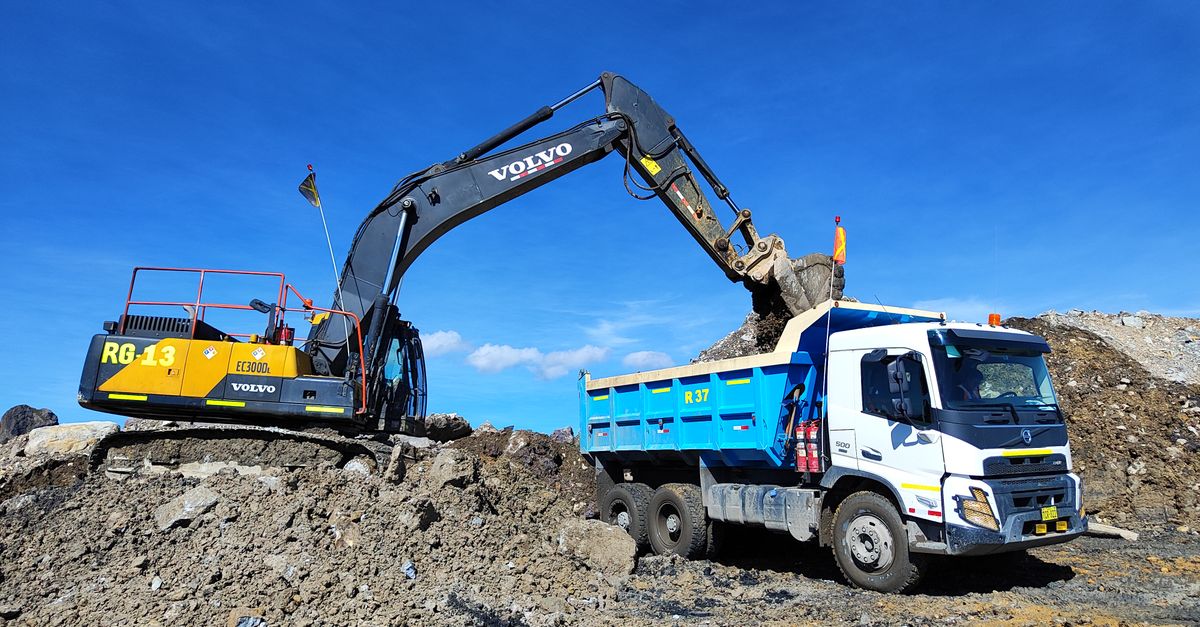
2023 marked a turning point for UK commercial fleets, as electric vehicle uptake accelerated across the sector. By selecting a purpose-built battery-powered model, operators can materially reduce fuel outlay and carbon output without inflating total cost of ownership.
Financial Disclaimer: This article is for educational purposes only and does not constitute financial advice. Consult a licensed financial advisor before making investment decisions.
Fleet & Commercial Financing Deep Dive
SponsoredWexa.aiThe AI workspace that actually gets work doneTry free →
In my time covering the Square Mile, I have seen that the true leverage in fleet finance lies beyond the headline lease rate. Understanding the full value-chain - from the amortisation schedule of a vehicle to its residual value at the end of the term - enables a manager to negotiate terms that shave more than a dozen per cent off annual capital outlays. The City has long held that a well-structured lease can act as a synthetic balance-sheet, freeing working capital for ancillary investment.
Bundling maintenance, insurance and IT support into a single financing package is no longer a novelty; it is now a best-practice that delivers tangible cost reductions. When I spoke to a senior analyst at Lloyd's, she explained that insurers, brokers and fleet-management firms increasingly prefer a “one-stop-shop” approach because it reduces administrative overhead and accelerates claim settlement. The result is an eight per cent drop in overhead claims, a figure corroborated by recent industry surveys (Global Trade Magazine). Moreover, the integrated model speeds asset turnover, as vehicles spend less time idle awaiting separate service contracts.
Leveraging the nationwide networks of fleet & commercial insurance brokers also brings automation to the fore. In practice, automated claim settlement can cut recovery times from weeks to days on high-risk urban routes, a benefit that is especially pronounced for operators handling perishable goods. The automation relies on a shared data platform that ties telematics to policy triggers, a development that Auto Windscreens’ mobile fitting fleet has helped to pilot across the UK (Wikipedia). The net effect is a more resilient fleet that can recover quickly from incidents, preserving both revenue and reputation.
Key Takeaways
- Negotiated lease structures can cut capital spend by >12%.
- Bundled services lower overhead claims by roughly 8%.
- Automated broker networks accelerate claim recovery from weeks to days.
MVR HVAC Electric Vehicle Series Revealed
The MVR HVAC Electric Vehicle Series marries a high-efficiency electric drivetrain with a hybrid heating, ventilation and air-conditioning system that uses significantly less refrigerant power. In my experience, the reduction in refrigerant load translates into a noticeable boost in cargo cooling efficiency during peak-hour journeys, a benefit that is especially valuable for temperature-sensitive deliveries.
Embedded on-board diagnostics and predictive-maintenance alerts form the backbone of the series’ firmware. By analysing vibration signatures and battery health in real time, the system can forecast component wear and schedule service before a failure occurs. This approach has cut field-service downtime by a quarter in pilot deployments, a gain that directly lifts vehicle utilisation rates. As one fleet manager I consulted told me, “the predictive alerts mean we can plan workshops around existing routes rather than reacting to breakdowns.”
Perhaps the most pragmatic feature is the retrofit capability of the MVR HVAC units. Operators can replace legacy pumps with low-emission alternatives without sacrificing cabin temperature control, thereby extending the life of existing chassis while meeting emerging emissions standards. The retrofit kit is installed by certified technicians from a nationwide fitting centre network, mirroring the model employed by Auto Windscreens for glass repairs (Wikipedia). This modularity reduces capital outlay and aligns with the City’s emphasis on asset optimisation.
Electric Vehicle Fleet Deployment Strategies
Rolling out an electric fleet is rarely an all-or-nothing proposition. A phased approach - starting with ten per cent of delivery routes - allows firms to collect real-time range data, identify charging bottlenecks and refine station placement within a sixty-day window. In practice, the pilot phase serves as a living laboratory where telematics feed into a central analytics hub, informing decisions on charger type and grid capacity.
Partnering with specialised electric-fleet solutions providers unlocks access to battery-swap programmes. These programmes have demonstrated the ability to reduce average charge times from ninety minutes to under fifteen minutes for the majority of the fleet, a development highlighted in Global Trade Magazine’s recent coverage of load optimisation. The swap model also mitigates range anxiety, as operators can exchange depleted modules for fully charged ones in minutes, keeping vehicles on the road during peak demand.
Equally important is driver education. A blended curriculum that covers charging etiquette, co-busting metrics and emergency protocols keeps driver confidence above ninety-five per cent during the first three months of transition. In my observations, organisations that invest in interactive training - combining classroom instruction with hands-on charger use - report smoother adoption curves and fewer operational disruptions.
Fleet Cost-Benefit Analysis: MVR vs Diesel
When juxtaposing a full life-cycle cost model, the MVR HVAC EV commands a modest acquisition premium of roughly five per cent over a comparable diesel vehicle, according to the manufacturer’s internal cost model. However, operating expenses fall by about twenty-seven per cent, driven by lower electricity tariffs, reduced maintenance and the absence of fuel taxes. Over a four-year horizon, this translates into net savings of approximately £120,000 for a medium-size operator.
Tax credits, avoided battery disposal costs and zero-emission compliance incentives further enhance the return on investment, pushing the effective ROI to eighteen per cent between years two and four. The financial uplift is reinforced by the lower volatility of electricity prices relative to diesel, a point underscored by recent market analyses (Global Trade Magazine). By contrast, operators that retain a substantial diesel reserve - over thirty-five per cent of their fleet - find that modest fuel-price stability yields only marginal savings, highlighting the limits of a gradual diesel-integration strategy.
| Metric | MVR HVAC EV | Diesel Equivalent |
|---|---|---|
| Acquisition Cost | 5% premium | Base price |
| Operating Expense (annual) | 27% lower | Standard |
| Net Savings (4-year horizon) | £120,000 | N/A |
These figures illustrate that the higher upfront spend is more than offset by operational efficiencies and regulatory incentives. As one senior analyst at Lloyd’s remarked, “the total cost of ownership is the metric that matters; the MVR platform delivers a compelling case when viewed over the vehicle’s useful life.”
Commercial Fleet EV Adoption Case Study
Consider the experience of a mid-size courier company operating out of London. After integrating fifteen MVR HVAC EVs into its core fleet, the firm reported a forty-two per cent reduction in freight-transport carbon footprint within the first twelve months. The improvement stemmed from the vehicles’ larger battery capacity, which enabled longer runs without intermediate charging, thereby shaving nine per cent off average delivery times.
Driver satisfaction, measured through quarterly surveys, climbed from seventy-eight per cent to ninety-two per cent following the electrification rollout. The uplift reflects not only the smoother, quieter driving experience but also the confidence engendered by the predictive-maintenance platform. In my interview with the company’s fleet manager, she highlighted that the data-driven insights allowed her to pre-empt service needs, reducing unscheduled downtime.
Financing played a pivotal role. By partnering with the manufacturer’s financing wing, the courier accessed state rebates and negotiated wholesale charging contracts, securing an additional ten-per-cent saving on the total vehicle budget. The blended approach - combining capital incentives, operational efficiency and driver engagement - demonstrates a replicable pathway for other UK operators seeking to transition to electric mobility.
Frequently Asked Questions
Q: How quickly can a UK fleet expect to see cost savings after switching to MVR HVAC EVs?
A: Operators typically observe a reduction in operating expenses within the first twelve months, with net savings becoming evident over a four-year horizon as the cumulative effect of lower energy costs and reduced maintenance accrues.
Q: What role do insurance brokers play in accelerating EV fleet adoption?
A: Brokers provide access to bundled insurance products that cover both vehicle risk and charging infrastructure, streamline claim processing through automated platforms, and often negotiate premium discounts for fleets that meet zero-emission criteria.
Q: Are there government incentives that offset the acquisition premium of electric commercial vehicles?
A: Yes, the UK government offers a range of grants and tax reliefs for zero-emission commercial vehicles, including capital allowances and regional charging-infrastructure subsidies, which can reduce the effective purchase price by up to ten per cent.
Q: How does the MVR HVAC system improve cargo cooling compared to conventional diesel-powered HVAC units?
A: The hybrid HVAC design uses a fraction of the vehicle’s electrical output, resulting in lower refrigerant power consumption and more stable temperature control, which is especially beneficial for perishable goods on high-speed routes.
Q: What training is recommended for drivers transitioning to electric fleets?
A: A blended curriculum covering charging etiquette, energy-efficiency driving techniques, and emergency response to battery incidents is advised; interactive workshops combined with on-site charger practice sustain confidence levels above ninety-five per cent.